Premier Roofing Services: Keeping Your Home Secure and Secure
When assessing roofing solutions, homeowners encounter a variety of choices. Each material provides distinct advantages and disadvantages, influencing both safety and aesthetics. From the affordability of asphalt shingles to the elegance of clay tiles, the decision often copyrights on personal preference and local climate. Understanding these options is critical, as well as identifying the signs that indicate a need for repair or replacement. What factors should one consider in making this essential choice?
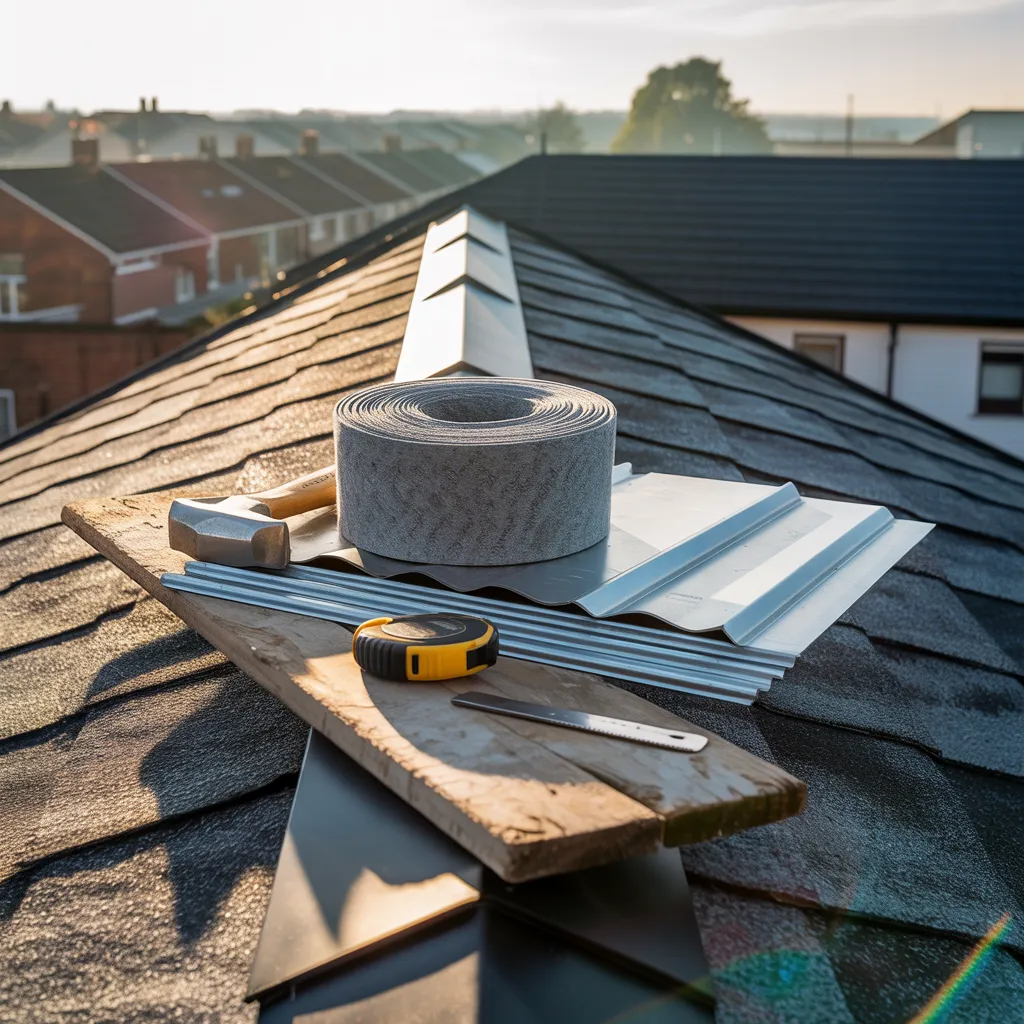
Breakdown of Top Roofing Options: Pros and Cons
When selecting roofing materials, homeowners often assess the pros and cons of various options. Asphalt shingles are among the most widely used due to their affordability and ease of installation, but they have a reduced durability compared to other materials. Clay tiles provide long-lasting performance and visual attractiveness, though their weight and higher cost can be problematic for some structures. Metal roofing is recognized for its longevity and resistance to harsh weather, yet it may create noise and expansion issues. Wood shingles supply natural beauty and insulation but demand regular maintenance to prevent rot and insect damage. Slate is celebrated for its elegance and extreme durability but comes with a hefty price tag and necessitates professional installation. Finally, man-made alternatives, like rubber or plastic, mimic traditional materials while often being lighter and more affordable; however, their durability over time can vary. Each material offers distinct strengths and weaknesses that homeowners must carefully evaluate.
The Increasing Popularity of Metal Roofing
Metal roofing has seen a significant increase in popularity among homeowners, supported by its impressive durability and energy efficiency. Unlike conventional roof materials, metal roofs can tolerate extreme weather conditions, including heavy rain, snow, and high winds. This resilience not only extends the roof's lifespan but also reduces the frequency of frequent repairs.
Moreover, metal roofing bounces back solar heat, which can produce lower utility costs during hot months. Homeowners are increasingly acknowledging its environmental benefits, as many metal roofs are made from recycled content and are fully recyclable at the end of their life cycle.
The aesthetic versatility of metal roofing has also contributed to its growth, with options available in multiple colors and styles that can complement any home design. As the demand for sustainable and long-lasting building materials increases, metal roofing emerges as a preferred choice for modern homeowners looking for both practicality and visual appeal.
The Positive Aspects of Tile and Slate Roof Options
Tile and slate roofs delivers substantial advantages that attract homeowners seeking durable solutions. Known for their strength and longevity, these products can resist severe weather conditions while maintaining their quality. Furthermore, the design choices available enhance the appearance of properties, rendering them a preferred choice in different design formats.
Strength And Durability
A major advantage of tile and slate roofing offers exceptional durability and longevity. Both materials are celebrated for their capacity to withstand harsh weather conditions, including heavy rain, snow, and extreme temperatures. Unlike traditional roofing materials, tile and slate are resistant to rot, insects, and fire, which significantly reduces maintenance costs over time. Their lifespan can exceed 50 years, often lasting much longer with proper care, making them a worthwhile investment for homeowners. Additionally, their weight contributes to structural stability, providing further protection against environmental stressors. By choosing tile or slate, homeowners can enjoy peace of mind knowing their roofing solution is built to last, ultimately enhancing the overall safety and security of their homes.
Aesthetic Beauty Possibilities
When evaluating roofing choices, homeowners often find that tile and slate roofing not only offers durability but also improves the aesthetic appeal of their properties. These materials come in a variety of colors and styles, allowing homeowners to select designs that match their architectural vision. Tile roofing, with its Mediterranean charm, provides a warm, inviting look, while slate roofing exudes sophistication and elegance. The natural textures and rich hues of slate add to a timeless appeal, making it a popular choice for upscale homes. Additionally, both materials are protected from fading, ensuring that their beauty lasts for decades. Ultimately, tile and slate roofing not only shields a home but also enhances its overall visual impact.
Benefits for Homeowners Using Asphalt Shingles for Roof Installation
Many property owners determine asphalt shingles to be an superior roofing option due to their low cost and durability. This type of roofing material is known for its budget-friendly qualities, making it accessible for a diverse range of budgets. In addition, asphalt shingles supply a lifespan of 15 to 30 years, depending on the quality and servicing, providing a solid investment for homeowners.
The variety of shades and patterns accessible permits personalization to improve a residence's appearance. Moreover, asphalt shingle products are rather uncomplicated to install, which can result in minimal labor charges. They also work efficiently in diverse environmental conditions, adding to their demand.
One more substantial advantage is their resistance to discoloration and injury from UV rays, ensuring that roofs maintain their appearance over time. Overall, asphalt shingles represent a useful and beautiful roofing alternative for homeowners seeking reliability and value.
Premier Roofing Alternatives for Your Climate
Choosing the appropriate roofing material is vital, as it must endure the particular challenges presented by different climates. In cold regions, homeowners should emphasize options that offer insulation and prevent snow accumulation, while those in hot climates may gain from materials that reflect heat and enhance energy efficiency. Comprehending these considerations can guide effective roofing choices customized to environmental conditions.
Extreme Climate Considerations
When property owners in cold climates consider roofing options, they must examine material durability and insulation properties to resist timely resource harsh weather conditions. The most reliable roofing materials include metal, asphalt shingles, and slate. Metal roofs offer exceptional longevity and resistance to snow accumulation, while asphalt shingles deliver a cost-effective solution with adequate insulation. Slate, though more expensive, offers remarkable durability and aesthetic appeal. Additionally, proper insulation and ventilation are vital to prevent ice dam formation and moisture buildup, which can lead to structural damage. Homeowners should also review local building codes and climate-specific recommendations to guarantee their roof can endure heavy snowfall and extreme temperatures, ultimately safeguarding their homes against the elements.
Warm Weather Solutions
Unlike the hindrances present in cold climates, homeowners in hot regions should stress heat resistance and energy efficiency in their roofing material decision. Favored choices like reflective metal roofs are appreciated for their capacity to repel sunlight, thus reducing heat absorption. Concrete and clay tiles provide superior thermal performance alongside durability and visual appeal. Furthermore, cool roofing systems featuring special coatings designed to reflect additional sunlight can significantly reduce indoor temperatures. Insulation represents an important factor too, enabling the creation of a pleasant indoor climate. In the end, deciding on the appropriate roofing solution enhances comfort while also supporting energy conservation, representing a critical factor for homeowners in hot climates.
Warnings You Should Consider a Roof Renewal or Repair?
How can property owners figure out whether their roof requires replacement or fixing? Several obvious signs point to potential problems. First, visible damage such as missing shingles, curled edges, or significant loss of granules suggests breakdown. Property owners should also look for water marks or damp patches on ceilings and walls, which can indicate water intrusion. If light is apparent through openings in the roof or attic, it indicates structural compromise.
Additionally, sagging areas may suggest hidden structural problems, requiring immediate attention. A roof's age is also a essential element; most roofs last between 20 to 25 years. If a roof is nearing this timeframe and shows multiple signs of wear, substitution may be necessary. Regular inspections after severe weather events can help spot problems early. By acknowledging these indicators, property owners can determine appropriate actions about the condition of their roofs and ensure their homes stay protected and sound.
How to Maintain Your Roof for Long-term Durability
Extended roof life calls for regular attention and a proactive approach to care. Inspecting the roof consistently, preferably two times a year, allows homeowners to notice any damage or wear. This includes checking for missing shingles, cracks, and debris accumulation. Regular gutter cleaning is crucial, as blockages may cause water pooling and lead to leaks.
Additionally, trimming overhanging branches can avoid harm resulting from falling limbs and minimize moss growth, which can compromise roofing materials. Applying a protective sealant can also enhance durability against harsh weather conditions.
Furthermore, maintaining adequate airflow in the attic helps regulate temperature and moisture levels, reducing the risk of rot and mold. Hiring an expert for periodic maintenance can provide peace of mind, as experts can spot issues that may go unnoticed. By implementing these practices, homeowners can greatly extend the lifespan of their roofs, ensuring safety and security for their homes.
Frequently Requested Questions
How Can I Find the Most Suitable Roofing Contractor?
In order to find the proper roofing contractor, one needs to look into qualifications, review feedback, assess estimates, check coverage, and establish clear dialogue. A comprehensive selection process can achieve a successful and satisfying roofing project.
Learning the Typical Lifespan of Multiple Roofing Materials
Roofing materials have varying durations: asphalt shingles last 15-30 years, metal roofs can endure 40-70 years, clay tiles often reach 50-100 years, and slate roofs may last over a century with appropriate upkeep.
Should You Consider Roof Guarantees a Worthwhile Investment?
Roofing warranties can be a sound investment as they provide financial protection against defects and premature wear. However, their value often is determined by material quality and the scope of the warranty protection given.
How Can I Improve My Roof's Energy Performance?
To upgrade a roof's energy efficiency, one can mount reflective roofing materials, enhance insulation, seal leaks, and incorporate ventilation systems. These measures help regulate temperature, diminish energy expenses, and foster a more sustainable living environment.
What Do the Costs Incurred in a Roof Replacement Include?
Costs tied to roof replacement typically range from $5,000 to $20,000, determined by materials, labor, and the roof's size. Further elements include geographical location and the complexity of the roofing system.